
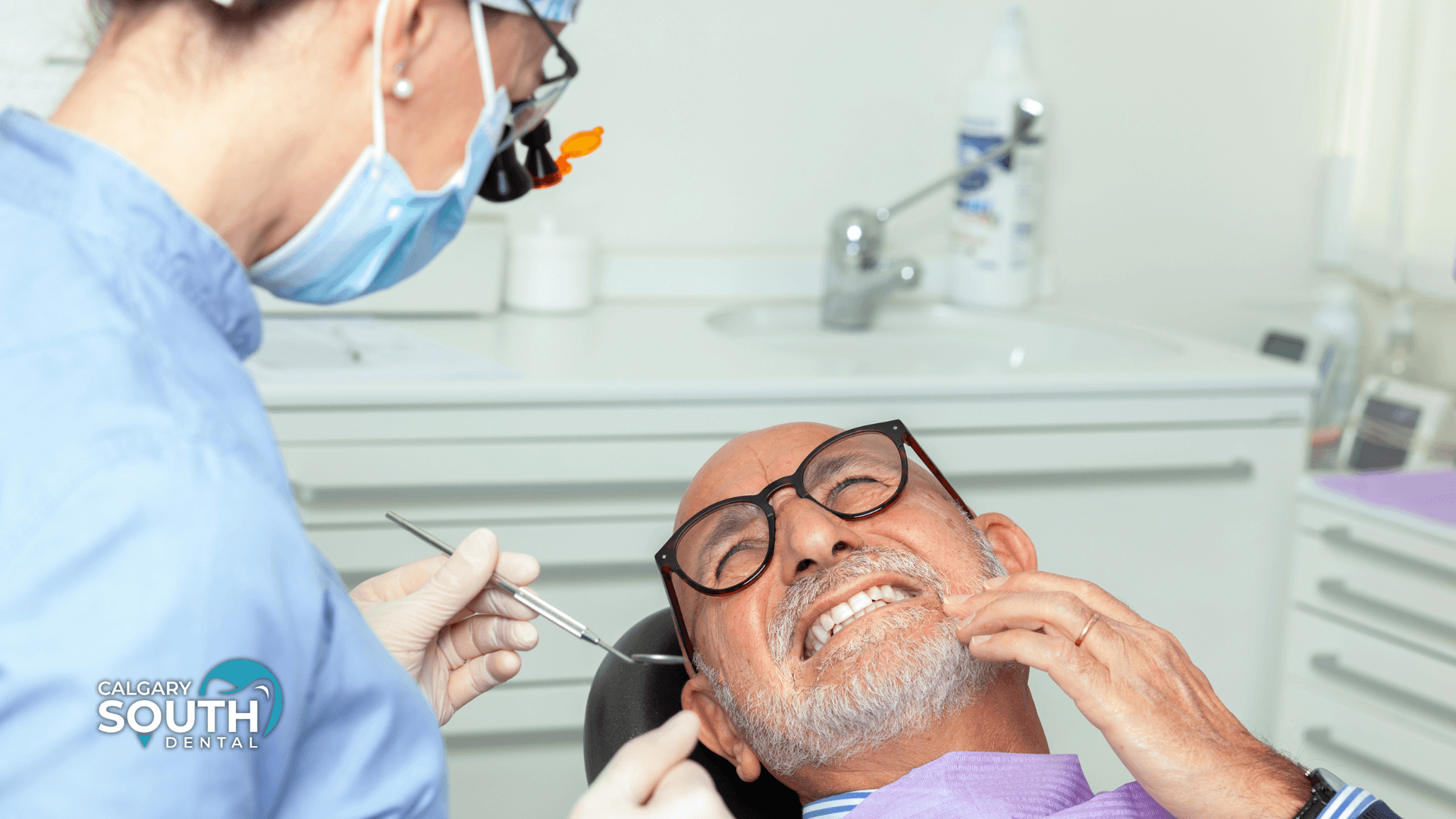
You may not realize it, but regular oral cancer screenings are vital to maintaining your health. These screenings can help detect signs of oral cancer, increasing the chances for successful treatment and recovery.
By prioritizing these check-ups, you empower yourself with the knowledge to take proactive steps toward safeguarding your oral health. Understanding the importance of early detection can significantly impact your well-being, making it vital to incorporate regular screenings into your healthcare routine.
Key Takeaways:
- Early detection of oral cancer significantly improves treatment outcomes and survival rates. Regular screenings allow for identifying potential issues before they progress.
- Oral cancer screenings are quick and noninvasive procedures that can be performed during routine dental visits, making them easy to incorporate into regular healthcare practices.
- Certain risk factors, such as tobacco use and excessive alcohol consumption, increase the likelihood of developing oral cancer, highlighting the importance of proactive screenings for at-risk individuals.
Understanding Oral Cancer
Understanding oral cancer in its entirety is imperative for maintaining oral health. This type of cancer can develop in any part of the mouth, including the lips, tongue, cheeks, and throat.
Early detection through screenings can significantly impact treatment outcomes.
Definition and Types
Before entering into the specifics, it’s essential to understand the different forms of oral cancer. Below are some types:
| Type | Description |
| Squamous Cell Carcinoma | This is the most common type of oral cancer. |
| Salivary Gland Cancer | It affects the glands that produce saliva. |
| Lymphoma | This is a type of cancer that affects the lymphatic system. |
| Melanoma | Occurs in the pigment-producing cells of the mouth. |
| Other Rare Types | There are several less common oral cancers. |
This knowledge empowers you to recognize potential signs and seek timely screenings.
Risk Factors and Causes
Any awareness of the risk factors and causes of oral cancer can help you assess your risk.
Key contributors to the development of oral cancer include:
- Tobacco use
- Heavy alcohol consumption
- Human Papillomavirus (HPV) infection
- Poor oral hygiene
- Family history of cancer
Assume that understanding these factors can inspire you to adopt healthier lifestyle choices.
It is essential to identify the specific risks in your life. Factors such as tobacco use and excessive alcohol can significantly increase your chances of developing oral cancer.
Additionally, a poor diet, lack of fruits and vegetables, and inconsistent dental check-ups can pose a threat.
- Chronic sun exposure
- Age (risk increases as you get older)
- Gender (more common in men)
- Previous oral cancer diagnosis
- Immune system deficiencies
Understanding these factors can assist you in being more vigilant with your health.
Causes
Causes of oral cancer are often multifaceted, encompassing a mix of lifestyle choices and genetic predispositions. Exposure to harmful substances like tobacco and alcohol plays a significant role in its development.
- Exposure to toxic chemicals
- Chronic irritation from ill-fitting dentures
- Genetic mutations
- Environmental factors
- Radiation exposure
Assume that awareness of these causes can motivate you to make necessary changes and stay proactive in seeking screenings.
Importance of Early Detection
Even a slight delay in identifying oral cancer can significantly impact treatment outcomes. Early detection allows for more effective and less invasive treatment options, providing a better chance of recovery.
Regular screenings can help uncover potential signs of cancer before symptoms appear, ensuring timely intervention and improving your overall health trajectory.
Survival Rates and Prognosis
Any delay in diagnosis can negatively influence your survival rates. When oral cancer is detected at an early stage, the five-year survival rate can exceed 80%.
In contrast, if diagnosed later, the prognosis becomes significantly less favorable. Early intervention increases the chances of successful treatment and improves your quality of life following recovery.
Impact on Treatment Options
Detection of oral cancer at an early stage opens up various treatment options tailored to your specific diagnosis. Early-stage cancers may be effectively treated with local therapies, such as surgery or radiation, while advanced stages often require more aggressive approaches, including chemotherapy.
By catching the disease early, you retain flexibility in choosing your treatment plan, which can lead to better long-term outcomes. Further, early identification of oral cancer allows for a tailored and less aggressive treatment plan that often preserves more of your healthy tissue.
The outcome can lead to quicker recovery times and fewer complications, which is imperative for overall well-being. Opting for regular screenings ensures that you stay informed about your oral health and allows for interventions that can improve your results and promote a more positive lifestyle.
The Role of Regular Screenings
Unlike many other health conditions, oral cancer can develop without noticeable symptoms in its early stages. Regular screenings play a significant role in identifying potential issues before they progress and become more serious.
By prioritizing these examinations, you allow your dental care provider to detect abnormalities in your mouth’s tissues and ensure that any necessary interventions are implemented promptly.
Recommended Screening Protocols
In addition to self-examinations, your dentist should conduct a thorough oral cancer screening during regular check-ups. These screenings typically involve visual examinations of your mouth, throat, and neck and palpation to identify any unusual lumps or areas of concern.
Your dental professional may also utilize advanced diagnostic tools when necessary.
Frequency of Screenings
Before scheduling your screenings, consider that the frequency may vary based on your risk factors and dental history. Generally, it’s recommended that you undergo an oral cancer screening at least once a year.
Still, those with higher risk factors, such as tobacco use or a family history of oral cancers, may need more frequent assessments. Recommended guidelines suggest that you have oral cancer screenings at least annually, but your specific needs may require a more personalized approach.
If you are deemed at higher risk due to lifestyle choices or genetic predispositions, consider increasing the frequency of your screenings with your dentist. This proactive approach increases the chances of early detection and provides peace of mind regarding your oral health.
What to Expect During an Oral Cancer Screening
Your dental professional will perform a thorough examination for your oral cancer screening, assessing your mouth, gums, tongue, and cheek lining. Your dentist may also ask questions about your medical history and any risk factors you may have, ensuring they have a complete understanding of your health as they conduct the screening.
The Screening Process
In addition to the visual examination, your dentist may use special tools to feel for unusual lumps or thickening in your mouth. They might also utilize lights or dyes to enhance visibility during the screening process.
This comprehensive approach allows for early detection, vital for effective treatment should any concerns arise.
Common Signs and Symptoms Detected
Among the signs your dentist looks for during the screening are persistent sores, lumps, or patches in your mouth. You should also be aware of any unexplained bleeding or difficulty swallowing.
These symptoms may signal the early stages of oral cancer, so it’s crucial to communicate any concerns to your dentist. Expect your dentist to evaluate various symptoms that may indicate potential oral cancer.
These signs include white or red lesions in the mouth, changes in voice, or difficulty chewing and swallowing. By openly discussing these symptoms, you enhance your chances of detection before the condition progresses.
Taking proactive measures for your oral health can guarantee prompt resolution of any identified issues.
Overcoming Barriers to Screening
After recognizing the importance of oral cancer screenings, you must tackle the barriers preventing you from seeking them. Many people hesitate to get screened due to fear of the potential diagnosis, misinformation about the process, or a lack of understanding regarding the significance of early detection.
Addressing these concerns empowers you to take charge of your oral health and prioritize screenings as part of your routine care.
Addressing Fear and Stigma
Above all else, fear and stigma surrounding oral cancer can drive you away from getting necessary screenings. It’s essential to educate yourself about the realities of oral cancer, dispelling myths that perpetuate fear.
Understanding that screenings are a proactive step in preserving one’s health can alleviate anxiety and help one approach the process positively.
Accessibility and Affordability
One significant barrier to receiving regular oral cancer screenings is accessibility and affordability. However, cost should not deter you from prioritizing your health; options such as community health programs or dental insurance benefits can alleviate financial concerns.
Seeking information about local resources or programs can help you find services that fit your budget and needs. Many community health centers offer low-cost or even free screenings, ensuring everyone can address their oral health proactively.
Some dental insurance plans cover these screenings as part of preventive care, allowing you to receive necessary check-ups without incurring extra expenses. Exploring these resources will provide the support needed to overcome financial obstacles and ensure your well-being.
Promoting Awareness and Education
Once again, raising awareness about oral cancer is vital for early detection and prevention. Educating yourself and others about the signs, risk factors, and importance of regular screenings can help foster a proactive approach to oral health.
Staying informed empowers you to discuss your concerns with healthcare professionals, engage in community resources, and participate in local awareness campaigns. Knowledge truly is power when it comes to combating oral cancer.
Community Initiatives
Various community initiatives around the country are dedicated to promoting oral cancer awareness. These programs offer free screening events, educational workshops, and outreach campaigns to inform people about risk factors and encourage early detection.
Participating in these initiatives can connect you with resources and valuable information to take charge of your oral health.
Role of Healthcare Providers
Besides community initiatives, healthcare providers play an integral role in educating patients about oral cancer. They are equipped to inform you about the importance of regular screenings and the signs to look out for— often providing you with the tools and resources needed for early detection.
However, healthcare providers do more than just educate; they create an environment where you feel comfortable discussing your concerns. During appointments, they can explain the screening process, answer questions, and guide you toward maintaining optimal oral health.
Through their expertise, you can make better health decisions and take preventative measures that could save your life.
To wrap up
The importance of regular oral cancer screenings cannot be underestimated. By prioritizing these check-ups, you can detect potential issues early, improving your chances of successful treatment.
These screenings help identify abnormalities and educate you on maintaining optimal oral health. Taking proactive steps in your oral care routine fosters well-being and peace of mind.
Early detection is key in the battle against oral cancer, and regular screenings play a critical role in ensuring any signs are caught early. At Calgary South Dental, we prioritize your health by offering comprehensive oral cancer screenings as part of our dental services.
Visit Calgary South Dental to schedule your oral cancer screening and embrace a healthier future. Your well-being is our top priority.
Calgary South Dental
Ready to book your visit?
Call 403-984-1616 or book online — new patients are always welcome.
Book Appointment→